Hip stiffness combined with limited mobility can make everyday movements feel uncomfortable and restrictive. Simple actions like standing up from a chair, walking, climbing stairs, or turning in bed may start to feel challenging over time. This stiffness often develops gradually due to long hours of sitting, reduced activity, aging, joint sensitivity, or past injuries. The good news is that gentle yoga offers a safe, effective, and natural way to improve hip comfort and mobility—without forcing the body or creating pain.
Why Hip Stiffness and Limited Mobility Happen Together
The hips are one of the body’s main movement centers. When movement decreases, the muscles, joints, and connective tissues around the hips receive less circulation and lubrication. Over time, this leads to tightness, weakness, and reduced range of motion. Limited mobility can also cause fear of movement, which further reduces activity and increases stiffness. Gentle yoga helps break this cycle by reintroducing safe, supported movement that rebuilds trust in the body.
Why Gentle Yoga Is Better Than Aggressive Stretching
When mobility is limited, aggressive stretching often backfires. Forcing the hips to open can trigger pain or cause the nervous system to tighten in self-protection. Gentle yoga works differently. Slow movements, supported positions, and relaxed breathing signal safety to the body. When the nervous system relaxes, muscles soften and joints move more freely. This approach creates lasting improvement instead of temporary relief.
Standing Poses That Support Stability and Confidence
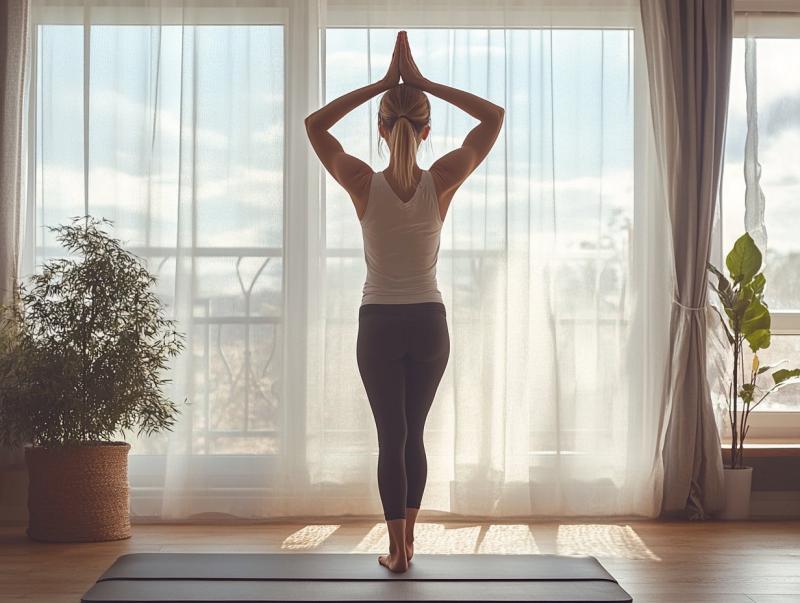
Gentle standing poses help reintroduce weight-bearing safely, which is important for joint health. Standing tall with awareness improves posture and balance while evenly distributing weight through the hips. Light forward-fold movements release tension in the hips and lower back without strain. Small, supported lunging motions gently open tight hip flexors caused by sitting, helping improve walking comfort and posture.
Seated Poses for Controlled Hip Movement
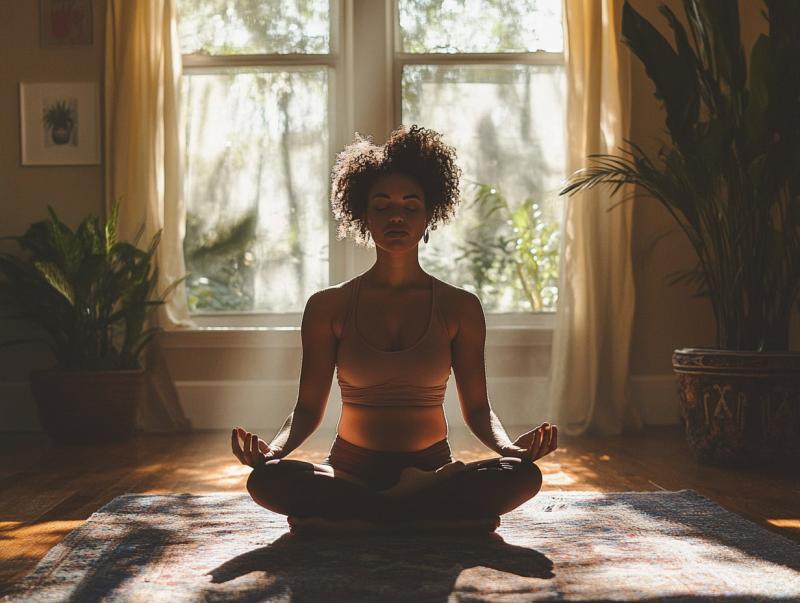
Seated yoga poses are excellent for people with limited mobility because they offer stability and control. Sitting upright encourages gentle engagement without pressure. Slow seated forward bends allow the hips and lower back to soften naturally. Gentle hip-opening positions help release stiffness in the inner hips and groin. Seated twists restore mobility to the pelvis and spine, which is especially helpful for daily movements like turning and reaching.
Supine Poses That Allow the Hips to Relax Fully
Lying-down poses are often the most accessible for stiff or sensitive hips. Bringing the knees toward the chest helps decompress the hips and lower spine while easing tension. Gentle outer-hip stretches release tight glute muscles that often restrict mobility. Supine twists allow the hips to move without weight-bearing, making them ideal for people who experience discomfort in standing or seated positions.
Restorative Poses for Deep Release Without Effort
Restorative yoga is especially important for limited mobility. Supported reclined poses allow gravity to gently assist hip opening while the body remains fully relaxed. Wide-knee resting positions soften the inner hips and pelvis, areas that often feel rigid or guarded. Holding these poses longer—while fully supported by cushions or pillows—allows joints and connective tissues to release slowly and safely.
The Importance of Breath for Hip Mobility
Breathing plays a crucial role in improving hip mobility. Shallow breathing keeps muscles tense, while slow nasal breathing helps the body relax. Long exhales activate the parasympathetic nervous system, encouraging muscles around the hips to let go. When breath and movement work together, stiffness reduces more effectively than with stretching alone.
How Long and How Often to Practice
Consistency matters more than intensity. Practicing gentle hip-focused yoga for just 10–20 minutes a day can bring noticeable improvement over time. Daily practice helps keep joints lubricated and prevents stiffness from returning. Even practicing a few poses regularly is far more effective than occasional long sessions.
Using Props for Safety and Comfort
Props are essential tools for limited mobility—not signs of weakness. Chairs, cushions, folded blankets, or yoga blocks provide support, reduce strain, and make poses accessible. Props help the body relax, and relaxation is what allows true mobility improvement.
Common Mistakes to Avoid
Avoid pushing through pain, holding the breath, or comparing your movement to others. Progress with limited mobility is gradual and deeply personal. Gentle sensation is acceptable, but sharp or persistent pain is not. Rest when needed and move slowly.
How Improved Hip Mobility Affects Daily Life
As hip stiffness decreases, daily activities become easier and more comfortable. Walking feels smoother, posture improves, and strain on the lower back and knees often lessens. Many people also notice better balance, reduced fatigue, and improved sleep as the body moves with less effort and tension.
Who Benefits Most From Gentle Hip Yoga
This approach is ideal for older adults, beginners, office workers, people recovering from inactivity, and anyone experiencing stiffness or limited range of motion. Because it is gentle and adaptable, it suits all ages and fitness levels.
Conclusion
Gentle yoga offers a compassionate and effective path toward easing hip stiffness and restoring mobility. By focusing on slow movement, breath awareness, and supported poses, the body can safely release tension and rebuild confidence in movement. With patience and consistent practice, even stiff and limited hips can gradually regain comfort, freedom, and ease—supporting a more active and comfortable daily life.