Considering the fast paced world we live in and the complexity of modern relationships, being stressed has become quite common for people. But have you ever noticed how some people seem to be perpetually calm souls gliding through life’s chaos, while everyone else struggles? They don’t suppress stress—they master it through simple habits which are based on neuroscience and psychology. Here we list some common habits of such people for unshakable inner peace.
Prioritise sleep
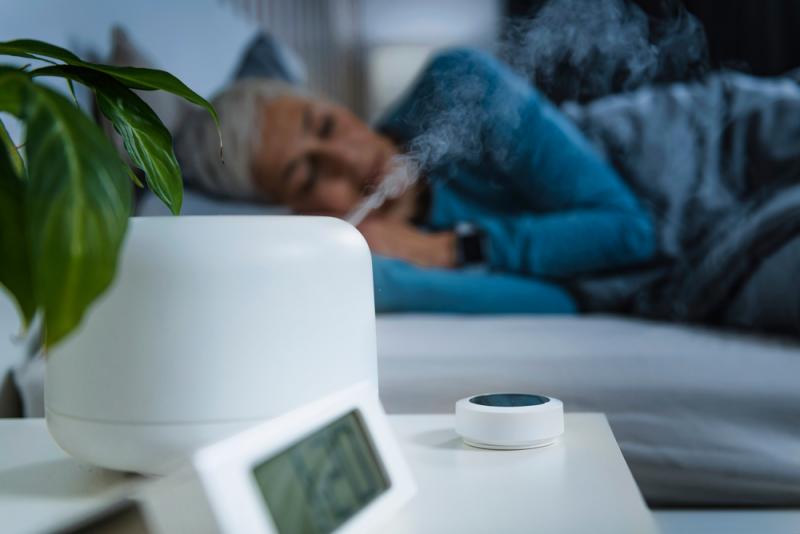
People who stay calm in chaos often treat 7-9 hours of good sleep as a non-negotiable habit. They avoid screens past 9 PM, have consistent night habits and bedtimes, cool dark rooms, etc. A good night’s sleep consolidates memories, regulates emotions. People who sleep well also wake refreshed, have better focus and they make better decisions. Master sleep, master stress; it’s biology’s reset button.
Practice daily meditation and mindfulness
Zen masters meditate 10-20 minutes morning/evening, thickening prefrontal cortex for impulse control while shrinking fear-prone amygdala, as per Harvard studies.
People who appear calm in chaos meditate regularly. They observe thoughts non-judgmentally, defusing worry loops. For example: Unlike reactors yelling at traffic, they see it as an opportunity to utilise this time for me-time. So make it a habit to pause before reacting, and choose to respond instead.
Set ruthless boundaries without guilt
Unstressful souls say “no” early—overcommitment breeds resentment and leads to burnout. Setting healthy boundaries help protect your energy like delegate freely, unplug post-6 PM, mute notifications. Remember, self-respect models respect. Make this a habit: Weekly audit—”What’s draining my energy or time? Fence it.” Freedom blooms; stress evaporates. Boundaries aren’t walls—they’re oxygen. Guard yours fiercely; life expands.
They regulate their emotions
Daily exercise– like walks, yoga, weights– flood endorphins, and reduces cortisol– the stress hormone. People who stay calm in stressful situations know this and so they regulate their emotions by working out daily. They workout and reduce their stressors. So make it a habit to workout daily and see how it transforms your life.
Cultivate optimistic reframing daily
Cool heads flip narratives: Layoff? “Career pivot opportunity.” Rainy wedding? “Intimate cozy vibe.” Martin Seligman’s learned optimism rewires pessimists—spot catastrophe thoughts, challenge evidence, pivot positives. Gratitude journals (3 nightly wins) spike serotonin 25%. They surround with uplifters, ditch doom-scrolling. Habit: Morning affirmation—”I choose calm”—primes day. Setbacks? “Lesson, not loss.” Chronic complainers wilt; reframers thrive, magnetizing solutions. Neuroscience: Positive bias shrinks stress perception. Unlike victims blaming luck, they own agency. Practice: Reframe one gripe daily. Outlook shifts, stress fades. Optimism isn’t naive—it’s superpower. Own it; conquer chaos.