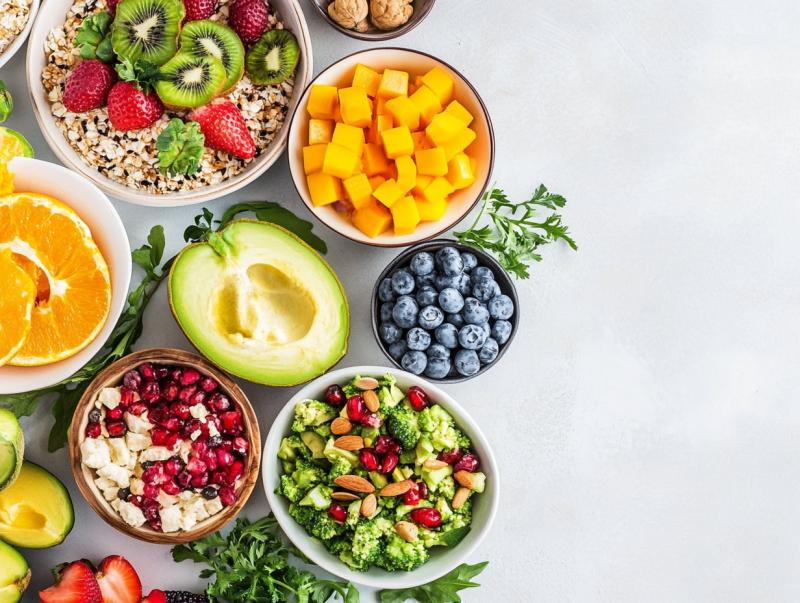
Fruits are rich in fiber, a key nutrient that supports digestion, helps prevent constipation, and keeps you full longer. High-fiber options like berries, apples, and passion fruit can help you meet your daily needs.
1. Passion Fruit
Fiber: 25 grams (g)
Serving size: 1 cup
This tropical fruit is not only rich in fiber but also high in vitamins A and C, potassium, magnesium, and plant compounds like carotenoids and polyphenols. Research shows passion fruit has more polyphenols than other tropical fruits.
Passion fruit’s pulp contains the most fiber. Regularly eating fiber-rich foods can help prevent constipation and improve digestion.
2. Apples
Fiber: 5 g
Serving size: 1 medium apple
Apples are a convenient source of fiber that you can snack on while on the go. Research found that apples’ fiber and other nutrients may improve digestive health and reduce the risk of developing colorectal cancer.
The polyphenol antioxidants, vitamin C, and soluble fiber found in apples can help support the growth of beneficial bacteria in the digestive tract. They may also reduce uncomfortable gastrointestinal (GI) symptoms, like constipation.
3. Blackberries and Raspberries
Fiber: 8 g
Serving size: 1 cup
Berries, especially blackberries and raspberries, are another key fruit with a high fiber content, providing about 27% of the recommended daily intake per serving.
Because they contain both insoluble and soluble dietary fiber, berries can support digestive health in a variety of ways, such as:
- Reducing and managing inflammation
- Supporting a balanced gut bacterial environment
- Aiding digestion
The fiber found in berries can also help control appetite and weight management by allowing you to feel fuller for longer.
4. Pears
Fiber: 6 g
Serving size: 1 medium pear
Eating a medium-sized pear can cover about a quarter of your daily fiber needs. Pears provid 23% more total dietary fiber and 45% more insoluble fiber than apples.
Studies show that pears may help prevent constipation. Along with their rich fiber content, pears contain a sugar alcohol called sorbitol, which acts as a natural laxative, drawing water into stool and making bowel movements easier to pass.
5. Avocados
Fiber: 14 g
Serving size: 1 avocado
While it’s not often thought of as a fruit, avocados are one of the most fiber-rich varieties on the market. By increasing gut microbiome diversity, avocados can help promote regular bowel movements and boost overall gut health.
In addition to being high in fiber, avocados are also high in healthy fats, which initial research suggests may support weight management by enhancing satiety (the feeling of being full) and potentially reducing visceral (deep abdominal) fat.
6. Kiwis
Fiber: 5 g
Serving size: 1 cup
Research suggests that kiwis may help regulate digestion, soften stool, and promote regular bowel movements. Specifically, one study found that consuming two kiwis per day for four weeks significantly improved digestive discomfort and bowel movement frequency in people with chronic constipation.
What’s more, kiwis’ high fiber content and ability to retain water enhance stool consistency and bowel transit time, which may help manage GI conditions like irritable bowel syndrome (IBS).
Tips for Incorporating More Fruits and Fiber Into Your Diet
Most healthy adults need 25-34 g of fiber per day, but many people don’t get enough. If you’re looking for ways to increase your fiber intake, some expert-recommended tips include:
- Aim for two cups of fruit per day to meet the general dietary recommendations for daily fruit portions.
- Consume fresh and frozen fruit, as research suggests that frozen varieties can sometimes be higher in certain nutrients, like vitamins E and C.
- Pair high-fiber fruits with a protein, such as cottage cheese, nut butter, or Greek yogurt, to create a nutritious snack that supports both digestion and blood sugar management.
- Increase your fiber intake gradually while drinking plenty of fluids, as consuming too much fiber too quickly can overwhelm the digestive system and cause uncomfortable symptoms such as bloating, gas, or stomach cramping.
- Take advantage of other fiber-rich sources, like vegetables, whole grains, nuts, and seeds.
- Check with a healthcare provider if you’re concerned about getting enough fiber regularly, as a fiber supplement may be an option if needed.